The Cover Song Is Paying Rent Now: Inside Indie's TikTok Cover Economy
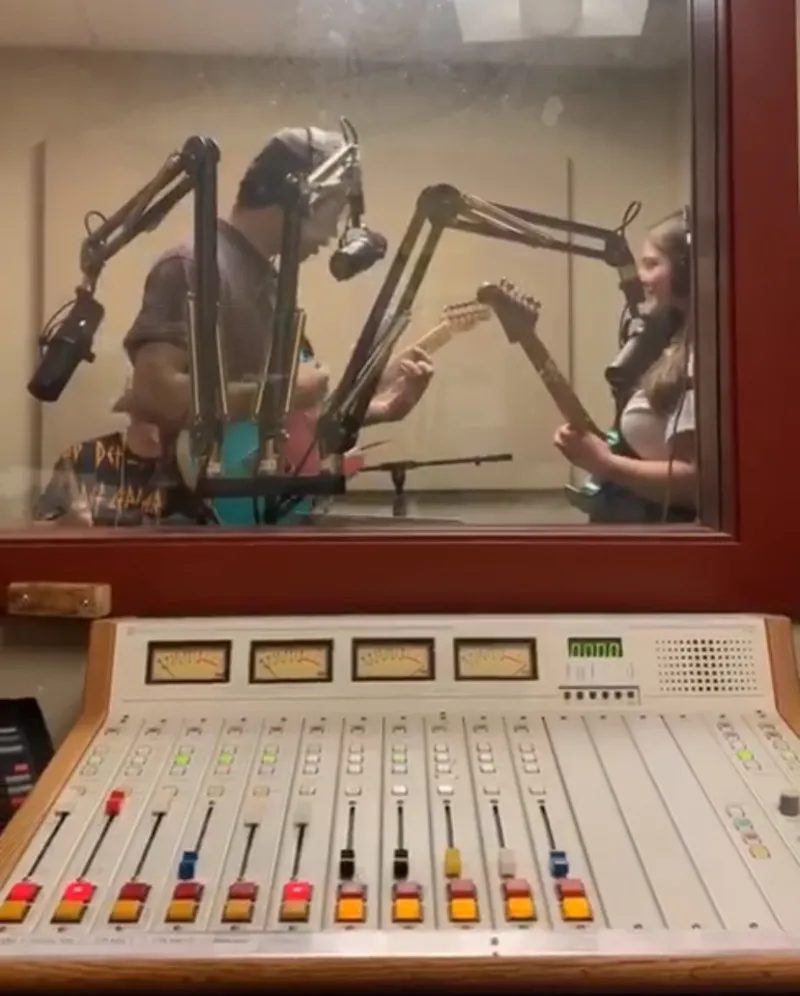
Photo: SebVonFall, CC BY-SA 4.0, via Wikimedia Commons
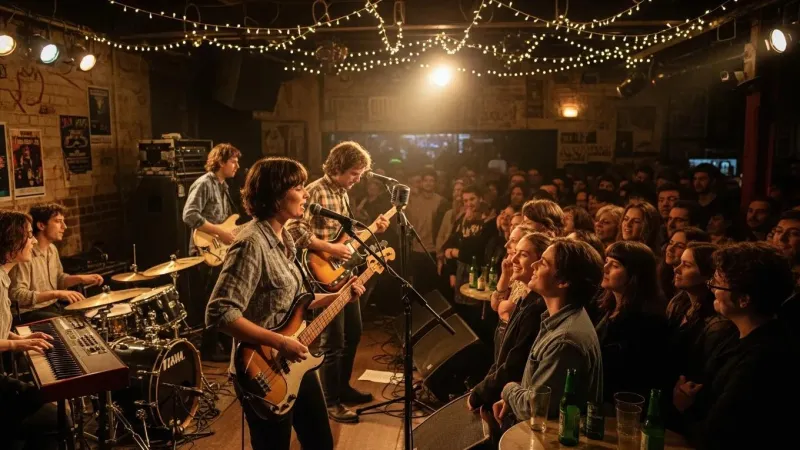
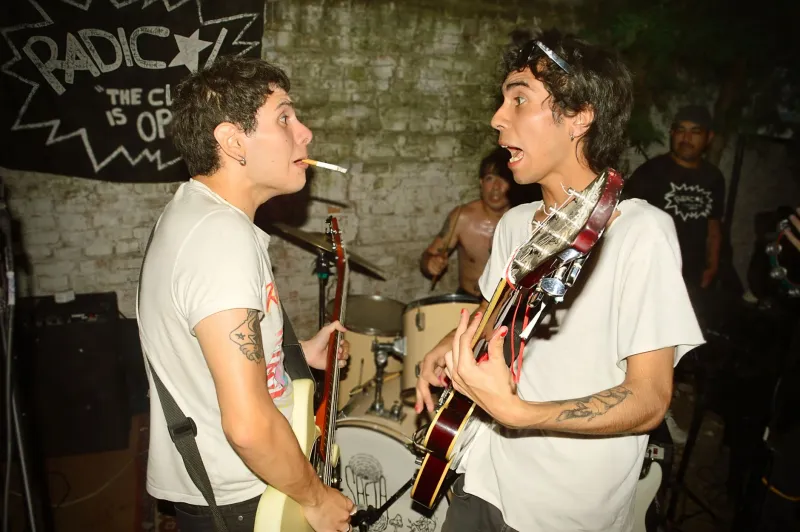
The cover song used to be a guilty pleasure, a filler track, or a wedding-band necessity. In 2026, it is increasingly a business plan. Scroll through TikTok for twenty minutes and you will find emerging artists turning familiar songs into something strange and personal: a folk singer stripping a pop hit down to fingerpicked guitar, a bedroom producer flipping a rock classic into a lo-fi loop, a duo harmonizing over a chorus that was never meant to be harmonized. Some of these clips disappear. Some of them change the artist's career.
The interesting part is not that covers go viral. That has been happening since the platform started. The interesting part is that a growing number of indie artists are using covers deliberately — as a funnel, a revenue stream, and a way to introduce their own music to people who would never find it otherwise.
How a 22-Second Clip Becomes a Funnel
The math is simple. A cover of a song people already know gives the algorithm a head start. The viewer recognizes the melody, stops scrolling, and listens. If the arrangement is good and the performance feels real, they tap through to the artist's profile. From there, the artist has a few seconds to convince them to stay for an original song, a tour date, or a mailing list signup.
That is the funnel: known song in, original artist out. The cover is not the destination. It is the door. The artists who do this well do not hide their originals behind the cover. They put them right next to it. The cover gets the attention. The original gets the chance.
The Licensing Stuff Nobody Tells You
Here is where the dream gets a little paperwork-heavy. A cover is not just a performance. If you record a song someone else wrote and distribute it on streaming services, you need a mechanical license for that composition. If you pair the cover with video — a TikTok clip, a YouTube video, a lyric visual — you may also need synchronization rights, depending on how the platform's blanket deals apply. The rules are not always intuitive, and they change depending on where the cover is posted and how it is used.
Most distributors offer a cover-song licensing option that handles the mechanical side for a fee or a small royalty cut. That is usually the safest route for an indie artist who does not have a lawyer on retainer. For TikTok specifically, the platform has licensing deals with many publishers and labels, but those deals do not cover every composition and every use. Artists should not assume that because a clip stays up, the rights are fully cleared.
The practical advice is boring but necessary: use a distributor that offers cover licensing, keep records of what you release, and do not try to game the system with a five-second pitch shift and a new title. The paperwork is not the fun part. It is the part that lets you keep doing the fun part.
Picking a Cover Is a Strategy, Not a Coin Flip
The artists who treat covers as a real revenue stream are not just covering whatever is trending. They are making choices. The best cover choices usually do one of three things:
- They connect to the artist's own sound instead of fighting it. A quiet, fingerpicked cover of a loud pop song can work because the contrast is the point. A karaoke-perfect imitation usually does not.
- They target a specific audience that is already leaning toward the artist's genre. Covering a song from an adjacent scene can pull in fans who might actually stick around for the originals.
- They leave room for a signature moment. A new bridge, a changed tempo, a harmony that was not in the original — something that makes the cover feel owned rather than rented.
The wrong choice is usually the biggest song available. If every artist on the platform is covering the same hit, the cover becomes background noise. The sweet spot is a song that is familiar enough to stop the scroll but not so saturated that the artist disappears into the crowd.
The Covers That Become Calling Cards
Some covers do more than generate views. They become the thing an artist is known for, at least for a while. A cover can be a handshake: here is my voice, here is my taste, here is how I hear the world. Fans who find an artist through a cover often stay for the originals if the transition feels natural.
The mistake is treating the cover as a one-off trick and never connecting it to the rest of the catalog. The artists who build real momentum use the cover to point back to their own work. They pin the original song. They mention the tour. They sell the merch. The cover is the advertisement. The original is the product.
Where the Money Actually Shows Up
Cover songs can generate streaming royalties, but the mechanical license eats into that income. The real money is often indirect. A viral cover can lead to more tickets sold, more merch moved, more playlist placements, and more label interest. It can also lead to sync opportunities, brand inquiries, and live bookings that would never have happened without the clip.
For an emerging artist, that indirect money can be the difference between breaking even on a tour and staying home. A cover that pays for a van rental is not a sellout. It is a budget line. The artists who are honest about this tend to be the ones who keep their creative priorities intact.
The Traps
The obvious trap is relying on covers forever. The less obvious trap is picking a cover that pulls in an audience who will never care about the originals. There is also the legal trap: assuming a platform's licensing covers everything, or releasing a cover without the right mechanical license, or using a sample that was never cleared. Those mistakes can get a song taken down or, worse, create a bill nobody planned for.
The other trap is creative. A cover should feel like it belongs to the artist, not like an audition for someone else's fanbase. The best covers are not karaoke. They are translations. They take something familiar and make it weird enough to be yours.
In 2026, the cover song is not a shortcut around original music. It is a tool. Used well, it can pay the rent, build the audience, and buy an indie artist enough time to make the record they actually want to make. Used badly, it is just another clip in the scroll. The difference is strategy — and a little bit of paperwork.