Sunday Night Shift: Inside the College Radio Stations Quietly Breaking America's Next Big Bands
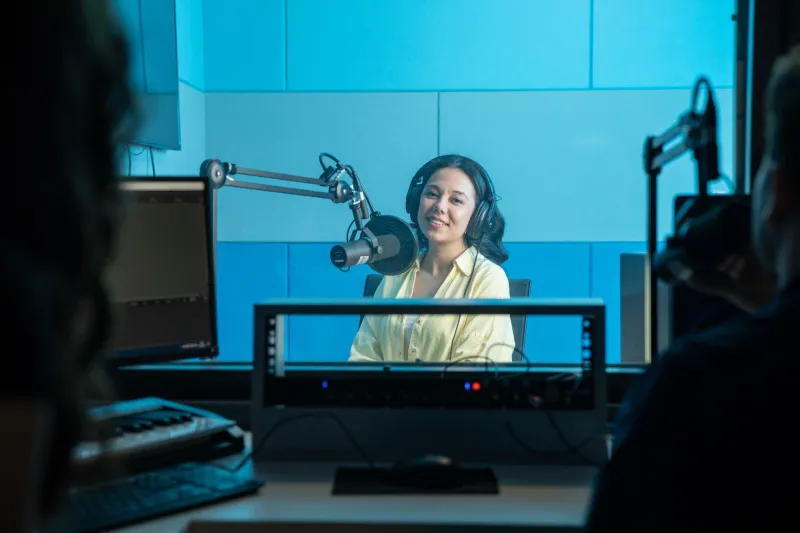
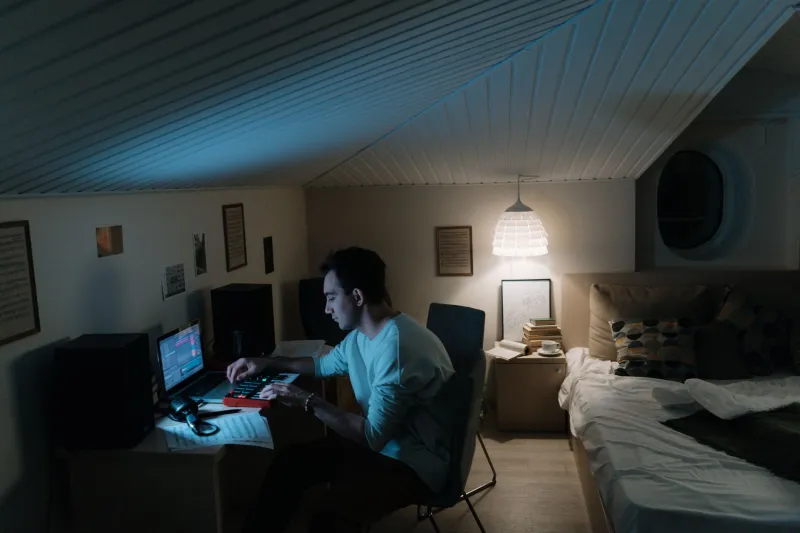
There's a specific kind of silence that hits at 3:47 a.m. in a basement studio in Austin, Texas. The coffee's cold, the campus is asleep, and somewhere out there, a KVRX DJ is cueing up a track from a band nobody's heard of yet — a band that might, in about eighteen months, be playing late-night TV.
If that sounds dramatic, hang on. Because the people whose job it is to find the next big thing have started paying very close attention to those 4 a.m. uploads.
The Scouting Trip That Costs Nothing
College radio has always been a weird, wonderful ecosystem — non-commercial, student-run, and stubbornly allergic to what's already charting. But something shifted in the last few years. Streaming flattened music discovery into algorithmic sameness, and suddenly the tastemakers with actual taste were sitting in cinderblock studios at state schools, spinning self-released EPs off Bandcamp.
Labels noticed. Playlist curators noticed. And now, a rotation on a station like WNYU or KVRX carries a strange new weight. When a student DJ puts a song into heavy rotation, it's one of the few remaining signals that hasn't been gamed, bought, or botted.
"We played this band for like six weeks before anyone in the industry emailed us," one DJ at a Texas station told us, laughing. "Then all at once, three labels wanted to know who they were. It was just us, being obsessed with a song."
Why the Weird Slots Matter
Here's the thing about a sleepy Sunday-night slot: nobody's guarding it. There's no format to hit, no demographic mandate, no sponsor breathing down anyone's neck. A student with two hours and full autonomy can build a show around shoegaze from Manila, country demos recorded in a dorm room, or 40 minutes of Philadelphia punk.
That freedom is exactly what makes it valuable. The artists who get broken on college radio are usually too strange for Spotify's editorial playlists and too raw for satellite radio. The station doesn't care. The station plays it anyway.
And in 2024, that's a feature, not a bug. Discovery culture has swung hard toward the human touch — the group chat recommendation, the crate-dug find, the DJ who says "trust me" and means it. College radio is the group chat with a transmitter.
The Artists Who Got the First Spin
Ask around and you'll hear the same story on repeat: the demo that aired once and changed everything. Indie darlings that went from a Tuesday-morning slot at a 100-watt station to festival mainstages. Bedroom producers whose first-ever radio play happened because a student thought the file was "kind of unhinged, in a good way."
The pattern isn't luck. It's structure. These stations listen to everything — actual physical submissions, Bandcamp links, a burned CD handed over after a house show. No algorithm is filtering out the rough edges. And rough edges, it turns out, are where the next sound usually lives.
Long Live the 4 A.M. Upload
So the next time you're doomscrolling at some ungodly hour, do something different: stream a college station. KVRX, WNYU, KXLU, WERS — pick one, any one. Someone in a basement is about to play you your new favorite band, and nobody's told the algorithm yet.
That's not nostalgia. That's A&R, live on air, powered by ramen and a genuine love of the find.