The Vault Has a Door: Why Indie Bands Are Keeping Their Best Songs Off Streaming
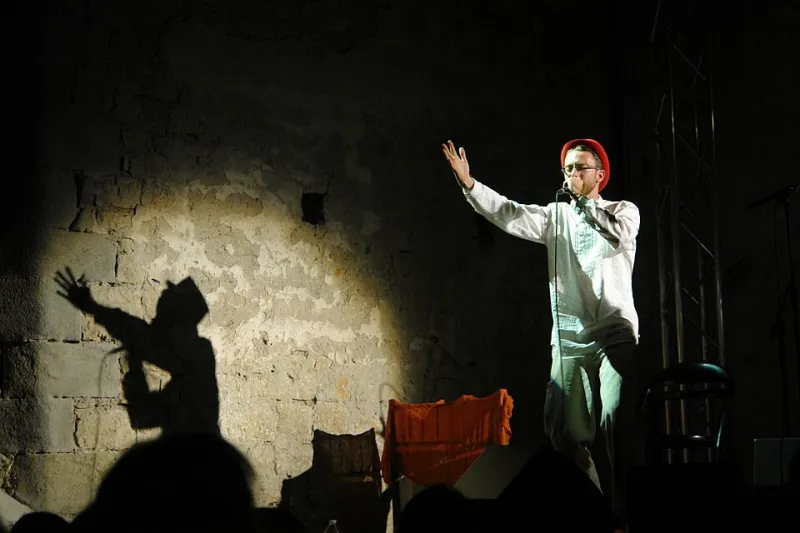
Photo: Sillerkiil, CC0, via Wikimedia Commons
The best song I heard last month does not exist on Spotify. It has no lyric video, no pre-save link, no sped-up version quietly racking up streams in the background. It exists in a 300-cap room in Nashville, where a four-piece closed their set with a slow, ugly, gorgeous ballad that made the room go quiet in a way rooms rarely do. When the last chord faded, the singer said, 'We will record it when we are ready.' The crowd booed lovingly. Then everyone bought a T-shirt.
That moment is not an anomaly. In 2026, a growing number of indie bands are treating their strongest material like a live-only asset. The strategy is simple: keep the song off streaming, play it at shows, let the room feel like it is getting something the algorithm cannot deliver. It is scarcity as a fan experience — and it is quietly rewriting the album cycle.
The Infinite Catalog Made Scarcity a Flex
We live in a world where every song is supposed to be available at every moment. That is a miracle for listeners and a nightmare for artists trying to make a release feel like an event. When a band drops a single on a Friday, it joins roughly a zillion other tracks in the same feed. The song may be great. It still has to fight for a slot in your commute playlist against songs you already know.
So some bands are choosing a different slot: the one right before the encore. A live-only song cannot be skipped by a casual listener. It cannot be reduced to a 15-second clip before the band has even tuned up. It becomes a memory, a rumor, a reason to text your friend who missed the show. In a culture that has turned music into background noise, a song you cannot stream is almost rude in its insistence that you pay attention.
The Economics of Not Uploading
This is not just an artistic stance. It is also a response to the math. Streaming pays artists in fractions of pennies, and the split usually favors whoever owns the master. Live shows, merch, and direct-to-fan sales are where the margin lives. A song that only exists at the merch table — as a demo, a cassette, a Bandcamp exclusive, or a QR code on a poster — can drive ticket sales and mailing list signups in a way that a passive Spotify play never will.
There is a practical upside for the band, too. Playing a new song live is cheaper than recording it. It lets the arrangement breathe in front of an audience before anyone commits to a studio version. If the crowd checks out during the second verse, the band knows. If the room locks in, they know that too. The stage becomes a focus group with better lighting.
The Album Cycle Gets a Rewrite
The old cycle was simple: write, record, release, tour, repeat. The new cycle is messier and more interesting. Bands are testing songs live, holding back the ones that feel special, and letting the release schedule follow the audience instead of the other way around. Some artists are saving a track for a vinyl-only bonus. Some are debuting a song at a hometown show and refusing to upload it until the next record. Some are building an entire mythology around a song that only exists in a handful of bootlegs.
That can be frustrating for fans who live far from the venues. It can also be a gift. Scarcity creates a story. A song that is passed around as a phone recording feels more precious than a track that arrives with a playlist pitch and a TikTok dance challenge. The bootleg becomes a treasure map: here is the song, here is the show, here is the moment when the band was still figuring it out.
Bootlegs Are Not the Enemy
Most bands I have talked to about this are not anti-bootleg. They are anti-indifference. If someone cares enough to record a shaky video from the front row, that is a signal. The smart move is not to send a cease-and-desist. It is to acknowledge the demand. Maybe the song gets a proper live recording later. Maybe it becomes a fan-club exclusive. Maybe it stays in the vault because the band likes the way it feels in the room.
The line is different for every artist. Some want total control. Some want the song to spread however it can. The one thing they seem to agree on is that the old model — record everything, upload everything, hope the algorithm notices — is not the only way to run a band anymore.
The Fan Contract
Here is the part fans should hear clearly: this only works if the band treats the room with respect. A live-only song is not a license to be lazy. It is a promise that the people who show up early, who buy the ticket, who stand through the opening act, are getting something real. If the song is good, the scarcity feels earned. If it is not, the whole thing feels like a marketing trick with a guitar.
So show up early. Put the phone down for one song. Buy the cassette if there is a cassette. And if you hear something you love that is not on streaming yet, do not complain to the band about it. Ask them when they are playing it again. That is the whole point. The vault has a door. You just have to be in the room when it opens.