Hearing the Room: Six Tiny Production Clues That Give Away a Bedroom Record

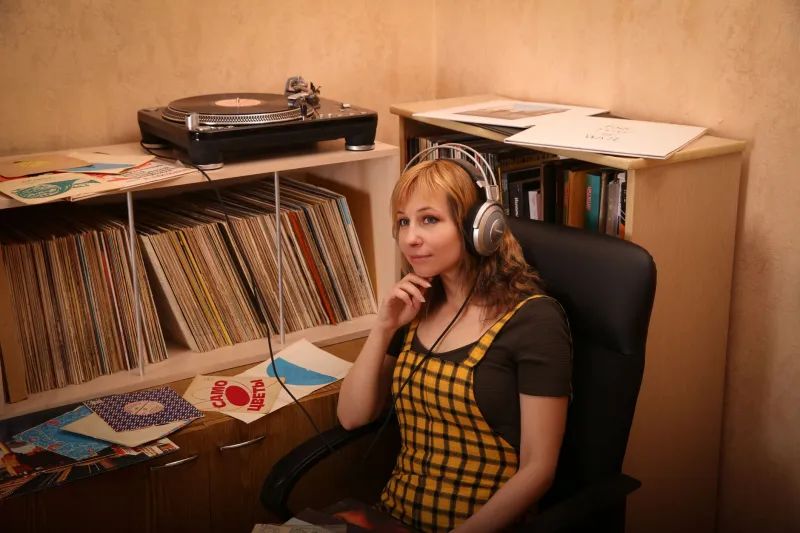
Photo: Andre Hunter dre0316, CC0, via Wikimedia Commons
Your headphones are not lying to you. They are just doing what you paid them to do: reproducing everything. The problem is that most of us listen for the song, not the room. We hear the vocal, the guitar, the chorus. We do not hear the chair creak under the second verse. We do not hear the fridge hum holding down the low end. We do not hear the tape hiss that says someone pressed record in a bedroom and hoped for the best.
That is a shame. Because the room is part of the record. Once you learn to hear it, you cannot unhear it. You start noticing when a drum sound is too clean, when a vocal has no air, when a record feels like it was made in a laboratory instead of a house. That is not a bad thing. It is just a different way of listening.
Here are six production clues that give away a bedroom record. The timestamps are approximate. Use headphones. Listen on a quiet room. Do not skip ahead.
1. Room Reverb: The Vocal Tail That Hangs Around
Room reverb is the sound of a voice bouncing off a wall. In a studio, it is controlled. In a bedroom, it is whatever the room gives you. Listen for a vocal that does not stop when the singer stops. It keeps going, just a little, like a ghost.
Try Pinegrove's 'Old Friends.' Around 0:52, listen to the end of the vocal line. There is a tail that feels like it is coming from a small room with a rug and a bookshelf. It is not a plate reverb. It is a room. You can almost see the singer standing too close to the mic.
2. Mic Bleed: When the Guitar Crashes the Vocal Mic
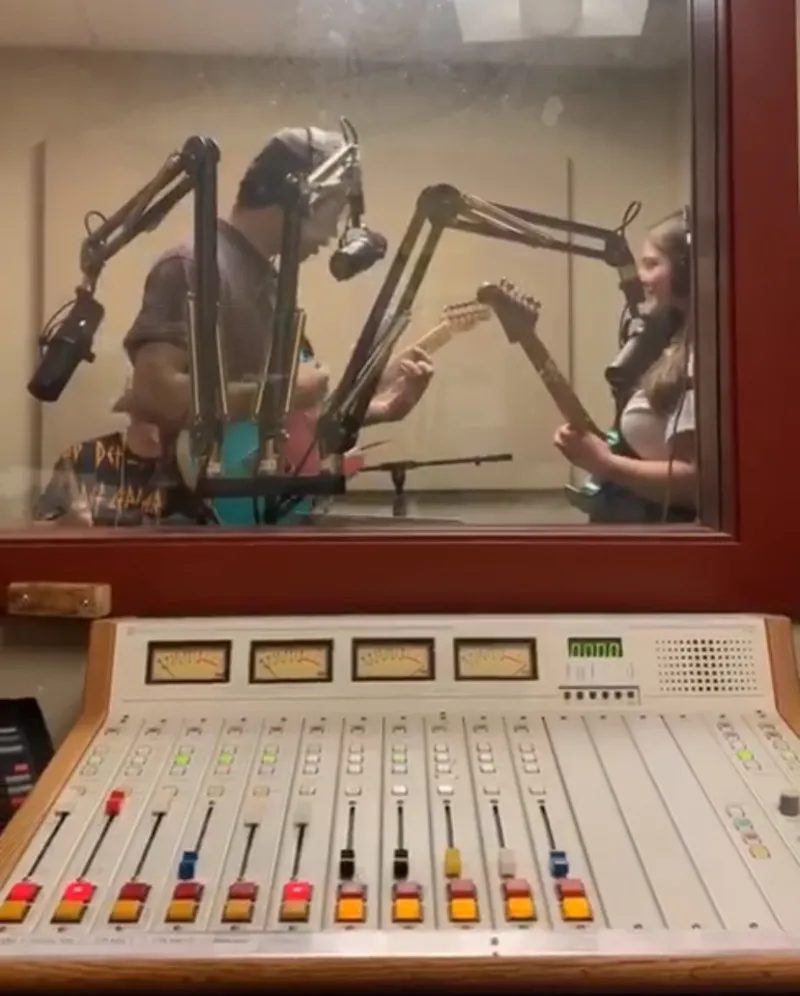
Mic bleed is when a sound meant for one microphone shows up in another. In a bedroom, it is everywhere. The acoustic guitar bleeds into the vocal mic. The vocal bleeds into the guitar amp mic. The result is a record that feels like a band playing together in a room, because it is.
Try Snail Mail's 'Thinning.' Around 0:34, listen for the guitar in the vocal mic. It is not a mistake. It is a texture. It makes the vocal feel less isolated, more human. You can hear the room between the notes.
3. Tape Hiss: The Sound of a Record Button Being Pressed
Tape hiss is the sound of analog tape running. It is a soft, steady shhh that sits under the music. In a bedroom record, it is often the first thing you hear before the first note. It is the sound of someone hitting record and holding their breath.
Try Alex G's 'Rules.' Around 0:05, before the guitar fully arrives, there is a hiss. It is not a mistake. It is the room, the tape, the moment. Once you hear it, you start to miss it on records that are too clean.
4. Chair Creak: The Most Honest Percussion Instrument
A chair creak is a small sound that tells you a person is sitting down, leaning forward, adjusting. It is the kind of thing a studio engineer might edit out. In a bedroom record, it stays. It is a fingerprint.
Try Frankie Cosmos's 'Sappho.' Around 0:12, listen for the small physical sounds between the guitar and the vocal. There is a creak, a shift, a breath. It makes the song feel like it is happening in front of you, not in a computer.
5. Fridge Hum: The Room's Bass Note
A fridge hum is a low, steady drone that lives in a lot of apartments. It is not a musical note. It is a room tone. But when it is there, it becomes part of the song. It fills in the low end in a way that is almost accidental.
Try Mitski's 'Bag of Bones.' Around 0:22, listen under the vocal. There is a hum, a room sound, a low-end presence that feels like a kitchen. It is not a synth. It is a refrigerator. Or something like it. That is the point.
6. Foot Tap and Breath: The Human Metronome
A foot tap is a keep-the-time sound. A breath is a pre-phrase sound. In a bedroom record, both are often left in. They are the human metronome. They remind you that a person is playing, not a grid.
Try Car Seat Headrest's 'Something Soon.' Around 0:31, listen for the breath before the vocal and the foot tap under the guitar. It is not perfect. It is not supposed to be. It is the sound of a person in a room, trying to get it right.
Train Your Ears, Then Forget the Timestamps
The timestamps are training wheels. Once you hear the room, you do not need them. You will start noticing the chair creak in a new song. You will hear the tape hiss before the first chord. You will know when a record was made in a living room, and you will love it a little more for that.
That is the point. The room is not a flaw. It is a feature. Your headphones are not lying to you. They are just waiting for you to listen.