Nobody Dreams of Playing at 7:45 PM: How Opening Acts Really Get Booked
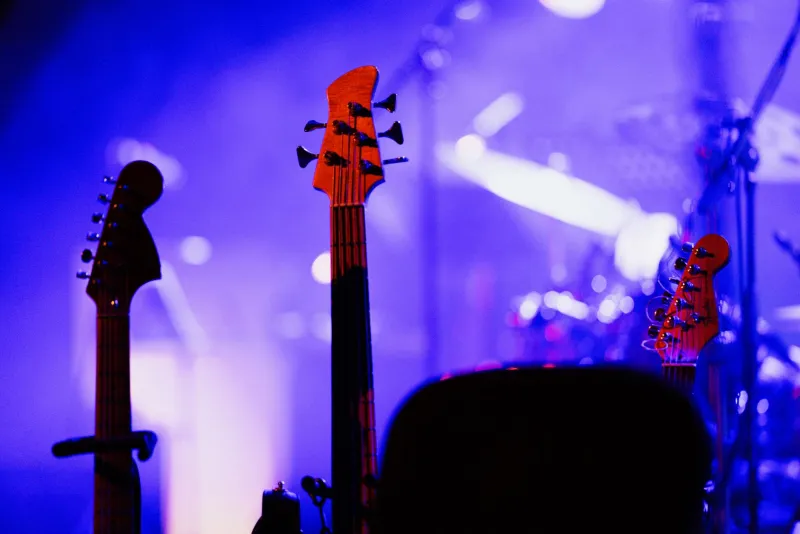
Every band you love was once the answer to a question nobody in the crowd was asking: who's playing first?
If you've ever shown up to a club show at doors because you love live music, you've probably caught an opener mid-set — sweat-soaked, half the crowd still at the bar, playing like their rent depends on it. Sometimes it does. And the path that got them on that stage is way weirder, more political, and more human than you'd think.
We spent a few weeks talking to booking agents, tour managers, and one very tired opening band to figure out how the sausage gets made. Here's what we learned.
It Starts With a Spreadhsheet (Sorry)
The first thing to understand: headliners rarely hand-pick their openers for small and mid-size club tours. That's a headliner-with-leverage thing. For everyone else, routing falls to the booking agent, whose real job is less "curator of vibes" and more "person who ensures the van can physically drive from Columbus to Pittsburgh overnight."
"People think there's a tastemaker moment," one agent told us, requesting anonymity because, well, this industry is small. "There's a spreadsheet. There's a band's agent emailing me going 'they're free those dates, they'll do it for $250 plus merch.' And if the headliner's manager doesn't hate them, that's kind of it."
The factors that actually matter, in rough order: availability, budget, whether the opener's fanbase can sell even 30 tickets in that market, and — this one surprised us — whether the headliner has personally heard of them. That last one matters more than streaming numbers. A band with 4,000 monthly listeners who opened for the headliner two years ago in a different project will beat a viral TikTok act every time.
The WhatsApp Thread Decides Everything
Once a tour is roughly routed, the real selection happens in group chats. Tour managers, agents, and band members trade names like fantasy football managers trade running backs.
"It's literally 'anyone good in Philly?' and three people respond," one TM told us. "If your name comes up twice, you're getting a link to your Bandcamp. If it comes up zero times, sorry."
This is why the most underrated move in a young band's career is being likeable to other musicians. Openers recommend openers. The band you were nice to in Des Moines is the band putting your name in the thread when they headline the same room eighteen months later.
The Glow-Up Rankings: From 7:45 PM to arenas
Not every opener stays an opener. Here's our highly subjective, deeply argued ranking of the best opener-to-headliner ascents of the last decade:
1. Olivia Rodrigo — went from opening slots and Disney-adjacent gigs to selling out arenas before her first tour even finished routing. The rare artist who skipped the club-level headlining run entirely.
2. Wet Leg — opened for everyone from Fontaines D.C. to Phoenix in 2021-22, then headlined those same rooms (and bigger) within a year. Textbook momentum.
3. Mitski — spent years as the opener other artists fought to book, then flipped the script so hard she became the opening slot artists request.
4. Zach Bryan — from opening dives to headlining stadiums while technically still an independent artist for part of the run. Absurd.
5. Chappell Roan — opened for Olivia Rodrigo in 2024 after a decade of grinding. The long-game glow-up of the decade, full stop.
So You Want to Get Noticed by a Passing Tour
For the local bands: here's the actual playbook, collected from the people who make the calls.
- Be findable in under 30 seconds. Agent opens your link — your best song should be the first thing they hear, not an intro video. No landing page. Just the music.
- Know the routing. Don't pitch for a Tuesday when the tour hits your town on a Friday. Check the dates before you email. It's shocking how many don't.
- Get on the local promoter's radar. The club's talent buyer is often consulted before openers are confirmed. Play their shows. Be easy to work with.
- Sell tickets even as the opener. Nothing gets you rebooked like bringing 40 people on a weeknight. That's the whole game at the club level.
- Be nice to the headliner's crew. Load out fast. Don't blow the channel limits on the house desk. The TM remembers the bands that made their night harder, and the WhatsApp thread remembers too.
Nobody dreams of playing at 7:45 PM to a half-empty room. But that's where every headliner learned how to hold a crowd — one unbothered bartender and one converted fan at a time. So if you're in a band reading this between sets at your own gig: keep at it. Somebody's group chat might be typing your name right now.