I Let the Robot DJ My Brain for a Month and All I Got Was Vaguely Adequate Vibes
Let me confess something up front: I used to be insufferable about music discovery. The person who made you a 47-track playlist with liner notes. The person who said "just listen to the whole album" with a straight face. Then, somewhere around the fourth consecutive year of pandemic-shaped routine, I noticed my listening had calcified. Same three artists. Same 2019 deep cuts. My music taste had become a comfort blanket I'd stopped actually listening to.
So I did something drastic. For 30 days, I let AI curation run my entire musical life. No manual searches. No saving my own playlists. Every session started with the algorithmic DJ, and I committed to not skipping — the idea being that if this thing claims to know me, I should let it prove it.
Here's the diary of a month as a passenger in my own headphones.
Week One: The Honeymoon Phase
Honestly? It was great. The AI DJ is weirdly good at the morning context — mellow but not sleepy, energetic but not gym-playlist obnoxious. It served me a Phoebe Bridgers-adjacent singer-songwriter from North Carolina I'd never heard of, and I liked it immediately. Day four, it played a Motown deep cut I'd somehow missed and I texted three people about it.
This is the part the tech is genuinely good at: the adjacent discovery. It knows the shape of what you like and finds new things that fit the shape. For about ten days, I felt like I had a cool friend with encyclopedic taste doing my listening for me.
Week Two: The Wall of Vague
Then something started to grate. Everything the AI picked was... fine. Competent. Mid-tempo. Songs that matched my taste the way a hotel room matches a home — right furniture, no soul.
I started noticing a pattern: the algorithm almost never played anything that challenged me. No challenging time signatures. No songs about things that hurt. It was curating toward a mood-neutral version of me, some averaged-out listener who is never too sad and never too hyped. Which, cool, but I am frequently both of those things, sometimes before noon.
There's a term for this in the research — the homogenization effect. Recommendation engines optimize for engagement, and engagement skews toward the easily likeable. The result is a listening experience that's a hallway of doors that all open into the same room.
Week Three: I Cheated (and Learned Something)
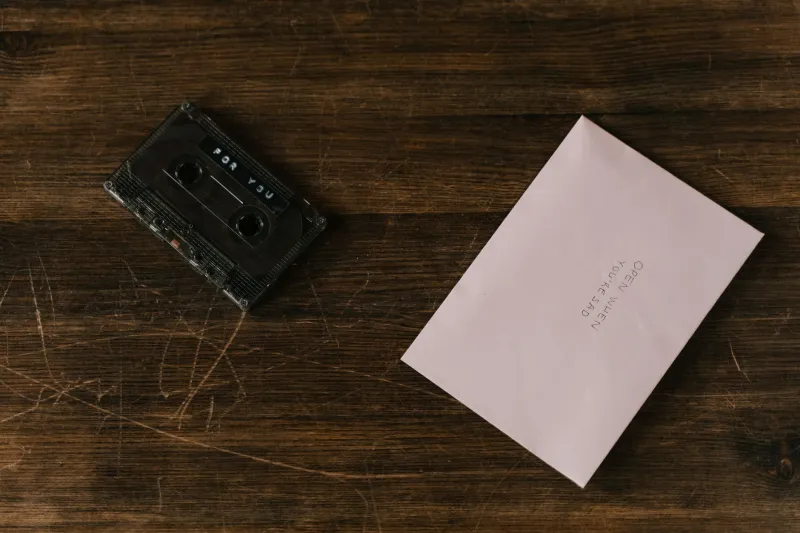
Day nineteen, I cracked. My grandmother died in October, and on an ordinary Tuesday the algorithm served me a bouncy indie-pop track about, of all things, being fine. I skipped it. First skip in eighteen days. And then I did something the AI would never do: I searched for the saddest album I knew and played it on purpose, front to back, like a person with a very specific reason.
And that's when the whole experiment clicked for me. The algorithm can predict what you like. It cannot know what you need. Those are different things, and the gap between them is where most of my meaningful musical life has always happened — the bad choices, the repeats, the songs that ruin you for an afternoon because you chose them at the exact right wrong moment.
Week Four: The Verdict
By the end, here's my honest scorecard. The AI DJ is an excellent companion and a terrible curator. It's a great background presence and a bad foreground one. It expanded my library by maybe fifteen artists I'll keep, which is genuinely valuable. But it never once made me feel seen — it made me feel predicted, and those are not the same emotion.
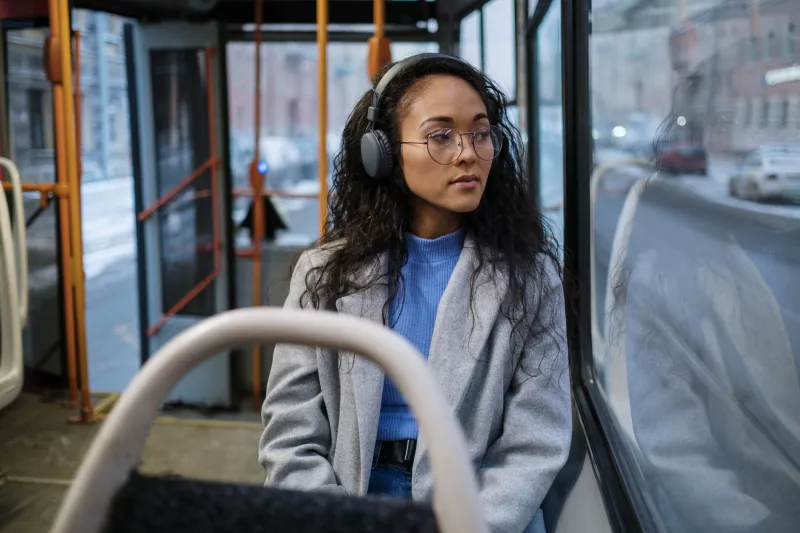
The songs I chose badly this month — the too-sad ones, the weird ones, the one I played six times in a row while staring out a bus window — those are the ones I'll remember. Personalization, it turns out, is not the same as personal. A playlist that knows your taste but not your Tuesday is just a very well-dressed jukebox.
So I'm not deleting the app. The robot can drive on my commute. But the steering wheel is mine again, and honestly, I've missed making bad decisions with the volume up.