Needle Drops and Whiskey Sours: Inside the Hi-Fi Listening Bar Boom
On a rainy Tuesday in Brooklyn, a room full of people in their twenties and thirties is doing something that feels almost suspicious: listening. Not talking over a drink. Not scrolling. Not shouting at someone across the bar. Listening. The record is a 1970s jazz-funk album most of the room probably discovered through a playlist, and the speakers are large enough to make the glasses vibrate on the shelf. When the bassline drops, nobody cheers. They just nod, slow and private, like they are all in on the same joke.
This is a listening bar, and in 2026 it is one of the most interesting rooms in American music. What started as a niche import from Japan's jazz kissa culture has spread to Los Angeles, Chicago, Austin, Nashville, Portland, and a dozen smaller cities in between. These bars are not clubs. They are not concert venues. They are places designed around a simple, increasingly rare idea: great music sounds better when everyone shuts up and pays attention.
The Room Where Nobody Yells
The rules are usually posted somewhere: no talking during the set, phones face down, no requests unless the bartender knows you. The setup is deliberate. A pair of vintage horn speakers or a modern high-end system. A turntable that costs more than a used car. A record shelf curated by someone with strong opinions and a good memory. The lights are low but not romantic. The point is not to hide. The point is to hear.
That sounds pretentious until you are in it. There is a specific relief that comes from sitting in a room where nobody is trying to out-cool anyone. The music is the main character. You can order a whiskey sour, lean back, and let a full album unspool without a single notification interrupting the flow. For people who grew up with music as an infinite scroll, that can feel like a small vacation.
From Jazz Kissa to Your Neighborhood
The listening bar is not new. Japan has been doing it for decades, and audiophile bars have existed in US cities for years. But the current wave feels different. It is younger, more casual, and less hung up on genre purity. You are as likely to hear an indie rock record, a ambient tape, or a cult R&B album as you are a Blue Note classic. The crowds are mixed. The dress code is nonexistent. The vibe is less museum and more living room with better equipment.
That shift matters. The old audiophile scene could feel like a boys club with a gatekeeping problem. The new listening bars are trying to be more welcoming, even if the prices at some spots still suggest otherwise. The best ones feel like a friend's apartment if your friend had excellent taste and a very serious record collection.
Why Indie Artists Are Booking Them
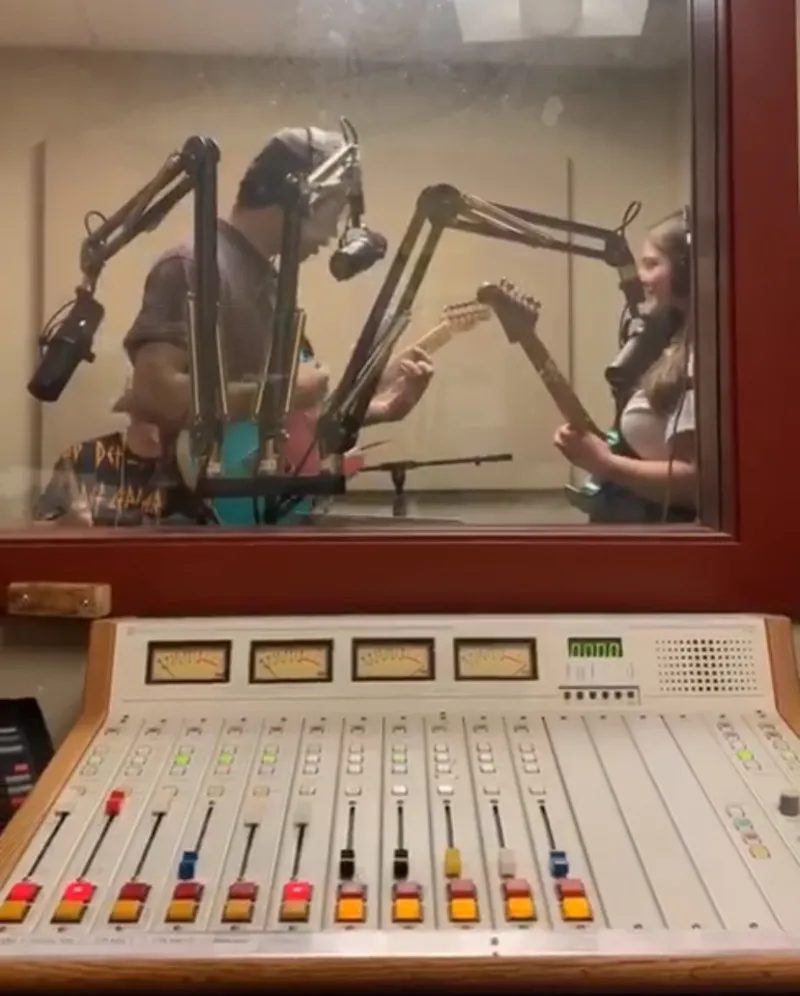
For emerging artists, the listening bar is a strange but useful new stop on the release circuit. A traditional release show asks the audience to stand in a dark room, hold a drink, and split their attention between the band and the bar. A listening bar asks them to sit down and focus on the record. That is a better fit for certain kinds of music — quiet folk, ambient, slowcore, anything with space in it.
Some artists are booking listening bars for album previews instead of full performances. They play the record front to back, answer a few questions, and sell vinyl at the back. It is part listening party, part press event, part community gathering. The bar gets a Tuesday-night crowd. The artist gets an attentive room and a story that is not just another Instagram post.
The Economics of Quiet
None of this is charity. Listening bars make money on drinks, memberships, and cover charges. Some sell records. Some host private events. The overhead is real: good sound systems are expensive, and a room that asks people to be quiet cannot rely on the same volume of foot traffic as a normal bar. The model works when the curation is strong and the regulars feel like they belong.
For artists, the economics are less obvious but still real. A listening bar show will not move as many tickets as a club gig. It can sell vinyl, build a mailing list, and create a more intimate connection with the people who do show up. In a year when touring costs are still brutal, a smaller room with a focused audience can be a smarter bet than a half-full venue with a distracted crowd.
The Risk of Becoming a Members-Only Club
There is a version of this trend that goes wrong. Listening bars can become expensive little temples for people who already own the records. The quiet rule can turn into a status signal. The curation can become a test you have to pass. That would be a shame, because the best thing about the current wave is that it is bringing young fans back into the habit of hearing music together.
The rooms that get it right are the ones that keep the door open. They explain the rules without being snobs. They book local artists. They host free listening nights. They treat the sound system as a way to serve the music, not as a trophy.
What Communal Listening Actually Fixes
We spend most of our listening hours alone now, with one earbud in and a screen in front of us. That is fine. It is also incomplete. A listening bar restores the social part of music without the pressure of a concert. You do not have to dance. You do not have to know the words. You just have to be there, in a room with other people, letting a record do its thing.
That is not a small thing. In 2026, it might be the most radical thing a bar can offer: a quiet room, a loud system, and a crowd that agrees to care about the same three minutes of sound. If that is the new frontier, sign me up. I will take a seat near the speaker and a drink I can actually taste.