Twenty-Six Minutes and Out: The Year Indie Learned to Leave Early
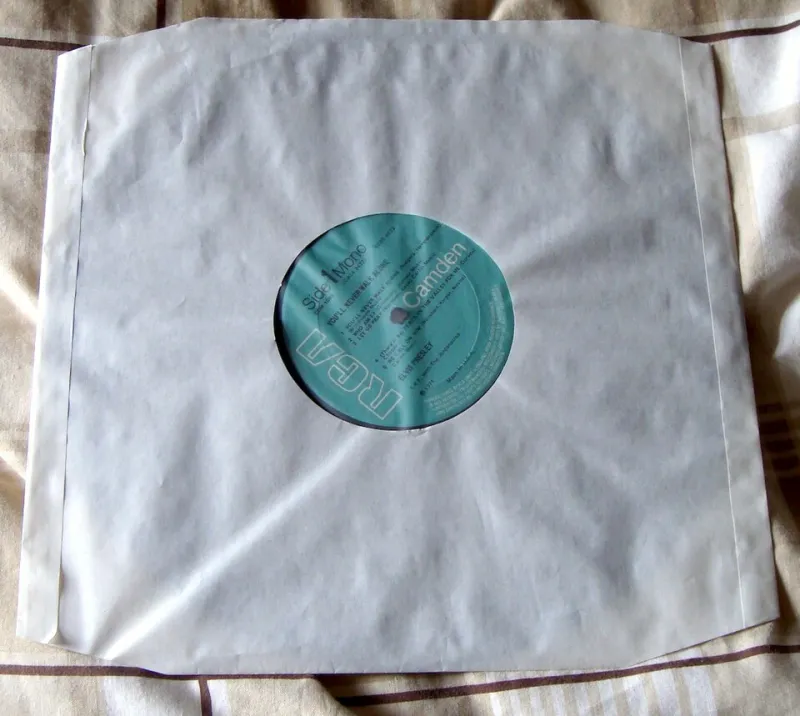
Photo: J.P.Lon, CC BY-SA 3.0, via Wikimedia Commons
A friend handed me a new LP last month and I flipped it over out of habit, looking for the tracklist before I looked at the cover. Eight songs. Twenty-six minutes. I did the thing where you check it twice, like maybe the second side was just printed small. Nope. That was the record.
I played it three times in a row without moving from the floor. Not because it was so transcendently good that I couldn't leave — because it was short enough that playing it again cost me less than a sitcom episode. And that, more or less, is the whole story of the indie album in 2026.
The Math Nobody Puts on the Press Release
Say the quiet part out loud: a 26-minute record is a much better deal for the person who made it than a 55-minute one, and not for the reasons cynics assume.
A streaming service counts a play somewhere between 30 and 45 seconds depending on the platform. A tight eight-song album gets finished — actually finished, all the way to the last chord — at a rate that longer records simply do not. Finished albums get saved. Saved albums get replayed. Replay is the entire game. A fan can run your whole record twice in the time it takes to sit through one meandering double album, and you've just banked sixteen streams and a much stronger completion signal instead of six streams and a skip.
Then there's the rollout. A record with eleven or twelve tracks and four pre-release singles isn't an album cycle anymore, it's a hostage negotiation that runs ten months. Three singles and eight songs is a story you can tell in one breath. Artists have figured out that a short record means the whole thing can be about something instead of about the calendar.
Vinyl Did the Math First
None of this is new. It's just newly convenient.
Early rock records ran 30 to 35 minutes because a slab of vinyl held roughly 20-22 minutes per side before the grooves got too squeezed and the bass started waving at you. The Ramones' debut clocks in just under 29 minutes and is a complete, finished, perfect document. Minutemen stretched out to a double album and still made every song feel like a hardcore song. Punk's entire thesis was that a song should end before it runs out of ideas, and a record should end before it runs out of songs.
What's changed is that the economics finally caught up with the ethic. The format that used to be a physical limitation is now a deliberate choice, and the people making it are often the same people who grew up ripping 40-track albums to their phones and skipping nine of them.
"Attention Span" Is the Lazy Explanation
Here's where I get annoyed at the discourse. Every time a short record drops, someone in the replies says artists are catering to short attention spans, and everyone nods like that settles it.
That's not what's happening in most of the records I've been living in this year. Short albums are expensive in a specific way: there's nowhere to hide. You cannot bury a weak song at track nine when there is no track nine. The sequencing has to work as a sequence, not as a shuffleable pile. The closer has to actually close something.
And honestly? A lot of these records are short because they were made in a spare bedroom over five months of weekends, and five months of weekends produces eight finished songs, not fourteen. Studio hours cost money. Mixing costs money. Mastering costs money, and so does pressing the thing, and a 26-minute record is cheaper to press, cheaper to ship, and cheaper to insure when the tour van gets broken into. Brevity is an aesthetic, but it's also a budget line item.
The Fan Fight, Which Is Genuinely Fun
The argument I keep seeing in Discords and beneath every short-album announcement goes roughly like this: one camp says a 25-minute record is a statement, a deliberate little jewel case of a thing that respects your time. The other camp says it's a shortcut — that the band had eight songs and called it an album instead of an EP so the press cycle would sound bigger.
Both camps are right about 30 percent of the time, which is why the fight never ends.
The real tension is about value, and it's worth taking seriously. If a vinyl copy is $32 and shipping is $9, and the record is 24 minutes, some fans feel like the exchange rate got weird. I get it. But I've also bought 70-minute records I listened to once and 27-minute records I've played so many times the sleeve has gone soft. Length is not the same thing as substance, and the price of a record was never really about minutes.
What a Short Record Has to Earn
If there's a rule, it's this: once you commit to under half an hour, every single song is now a single. There's no room for the drift track, the interlude, the three-minute ambient intro that nobody asked for. The pressure moves from filling to choosing, and choosing is harder.
The records that pull it off — and there are a bunch of them this year across the indie, bedroom-pop, and post-punk corners of the internet — feel less like albums that got cut down and more like albums that were never bloated in the first place. They end while you're still leaning in. That's a good place to end.
The ones that don't pull it off end at minute 19 and you're already checking the time. That's the risk. Nobody said leaving early was free.
The Only Verdict That Matters
I don't think short is better. I think short is a shape, and shapes are a choice, and the best artists this year are picking their shape on purpose instead of letting the default setting pick it for them.
So flip the sleeve. Count the songs. If it's eight, don't assume you got cheated. Put it on, play it twice, and see if it holds. Mine did — three times, on the floor, no phone in my hand. That's more than I can say for plenty of hour-long records I've been very impressed by and never played again.